
American Ideas
Diagnosing the structural imbalances of the American System - and the path to reform. Democracy is not a static inheritance


Updates
Oct 27
How Equality Laws Actually Grow Economies America’s strength has always been rooted in a timeless principle: when you secure liberty, justice, and equal opportunity for every individual, you unleash the greatest economic engine in human history. Economic freedom isn’t just an ideal—it is our nati...Read more
Oct 27
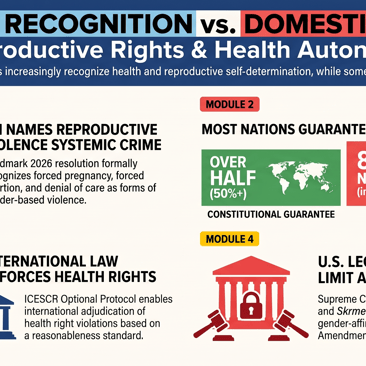
It's an American idea that women should hold as much bodily autonomy as men. #CodifyHealthcare #BodilyAutonomy #HealthcareIsARight #ConstitutionalRights #AmericanIdeas
Oct 27
How the Special Counsel Enforces Federal Rules Who guards the guardrails of the executive branch and ensures federal ethics rules actually have teeth? 🔍⚖️ Step inside the work of the **U.S. Office of Special Counsel (OSC)**, an independent federal investigative and prosecutorial agency created un...Read more
Oct 27
How the Hatch Act Works Ever wondered how public servants keep government programs fair, trustworthy, and free from partisan pressure? 🏛️✨ Originally enacted in 1939, the **Hatch Act** was designed to shield civil servants from political coercion and guarantee that public administration operates ...Read more
Oct 27
https://buff.ly/WkLTBYr